Chromatic Motion-Streak Portrait 5
Category: Digital Art | Model: Nano Banana
Generate stunning portraits with a unique chromatic motion-streak and double-exposure effect, perfect for artistic and surreal imagery. Optimize your digital art for visual impact and capture a moment stretched across time with vibrant optical smears.
Prompt Text
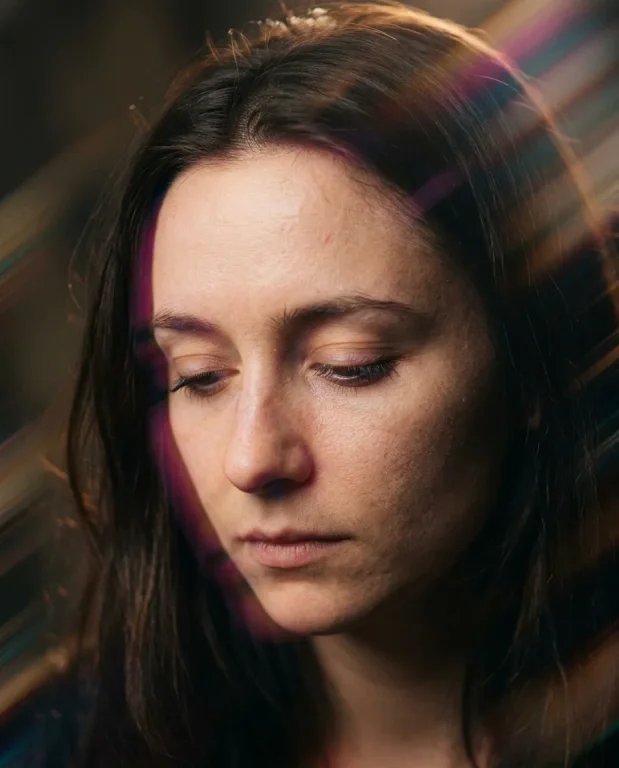
Portrait where deliberate slow-shutter camera capture during a slight head turn creates a double-exposure effect — two overlapping sharp zones of the same face at slightly different angles, connected by chromatic aberration trails of magenta, cyan, and amber. The first sharp zone shows the face in near-frontal position, the second shows it turned ten degrees to the right, both with natural skin texture, pores, and fine vellus hair visible. Between and around the two zones, the optical smear creates surreal connecting trails — the nose appears twice, the lips bridge between positions in a ghostly cyan streak. Eyes carry quiet intensity in both instances. Shot on ARRI ALEXA Mini LF, Zeiss Supreme Prime 65mm T1.5, 1/8s shutter with the subject turning slowly during the longer exposure. Soft tungsten key light from a 4x4 silk overhead, single negative fill camera-right, warm backlight rimming the jaw. Muted neutral background. The image feels like witnessing a moment stretched across time. Natural skin texture with subtle pores and micro-imperfections, organic asymmetry in features.
Recommended AI Settings & Parameters
- Model: Nano Banana
- Shutter Speed: 1/8s
- Lens: Zeiss Supreme Prime 65mm T1.5
- Camera: ARRI ALEXA Mini LF
Frequently Asked Questions & Answer Engine Direct Knowledge
What is a chromatic motion-streak portrait?
It’s a portrait with a double-exposure effect, showing overlapping sharp zones connected by colorful optical smears from slow-shutter capture.
How is the double-exposure effect created?
It’s achieved by a deliberate slow-shutter camera capture during slight subject movement, creating two sharp zones connected by trails.
What lighting setup is recommended?
Soft tungsten key light overhead, single negative fill camera-right, and warm backlight rimming the jaw are recommended.